Starting a Garden: 3 Easy Steps to Get Started
Take this as your starting point! Once you have these three things figured out, everything starts coming together!
01
Know your hardiness zone, aka your growing zone.
02
Find where you get the most sun in your yard or where you’re able to plant.
03
Decide how you want to grow: raised beds or in-ground.
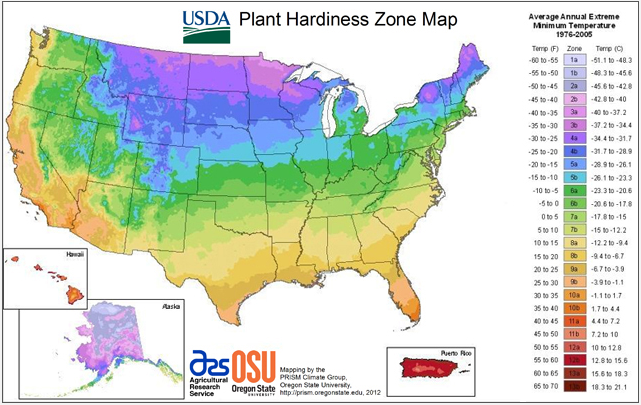
- Know your growing zone. This is the first thing you want to figure out if you don’t already know. So much of what you plant is going to be based on your growing zone. This is going to tell you your first and last average frost dates, plus how cold your area gets in the winter! Then you’ll know about how long your growing season is, what you can realistically plant in that time frame, and what perennials will make it through the winter. See? Very important! Luckily for us, this is very easy to find out. I’m adding a link HERE that will take you to the USDA site, where you’ll add in your zip code and get your growing zone. I’m also adding a picture of the map, below. Boom! Step 1 is done. I’m zone 8a!
2. Find the sun. We all do best with some sun in our day, right?? Our plants are the same. Some can tolerate part sun, but when it comes to garden vegetables, most need full sun. That’s 6+ direct hours of sunlight a day. So when planning your garden, try to pick the spot in your yard that has the most sun, for the longest time. We are in the Northern Hemisphere, if you’re in the US. So the sun is going to cross your yard on the southern side. With the sun rising on the east and setting in the west. So try to plan according to that. It sounds like a lot but I promise it’s not! Now, if you don’t have full sun, that doesn’t mean you can’t garden. Like I said, some vegetable plants can tolerate part sun, and even full sun plants can grow! They just might not produce as much as they could being in full sun.
3. In-ground or raised beds. This can depend on your soil structure, how easy it will be to amend the soil, or how quickly you want to plant. Remember, nothing has to be permanent! You can always change something later. I live in the piedmont area of North Carolina. Which basically means I have heavy clay and quartz ground content. Not very conducive to growing vegetables or ROOT vegetables. *Hint* Root veggies love loose soil. So I chose to do raised beds to be able to get moving. Plus, it’s what my parents had started and I added on to. Here’s a couple pictures of when my parents first started this garden!
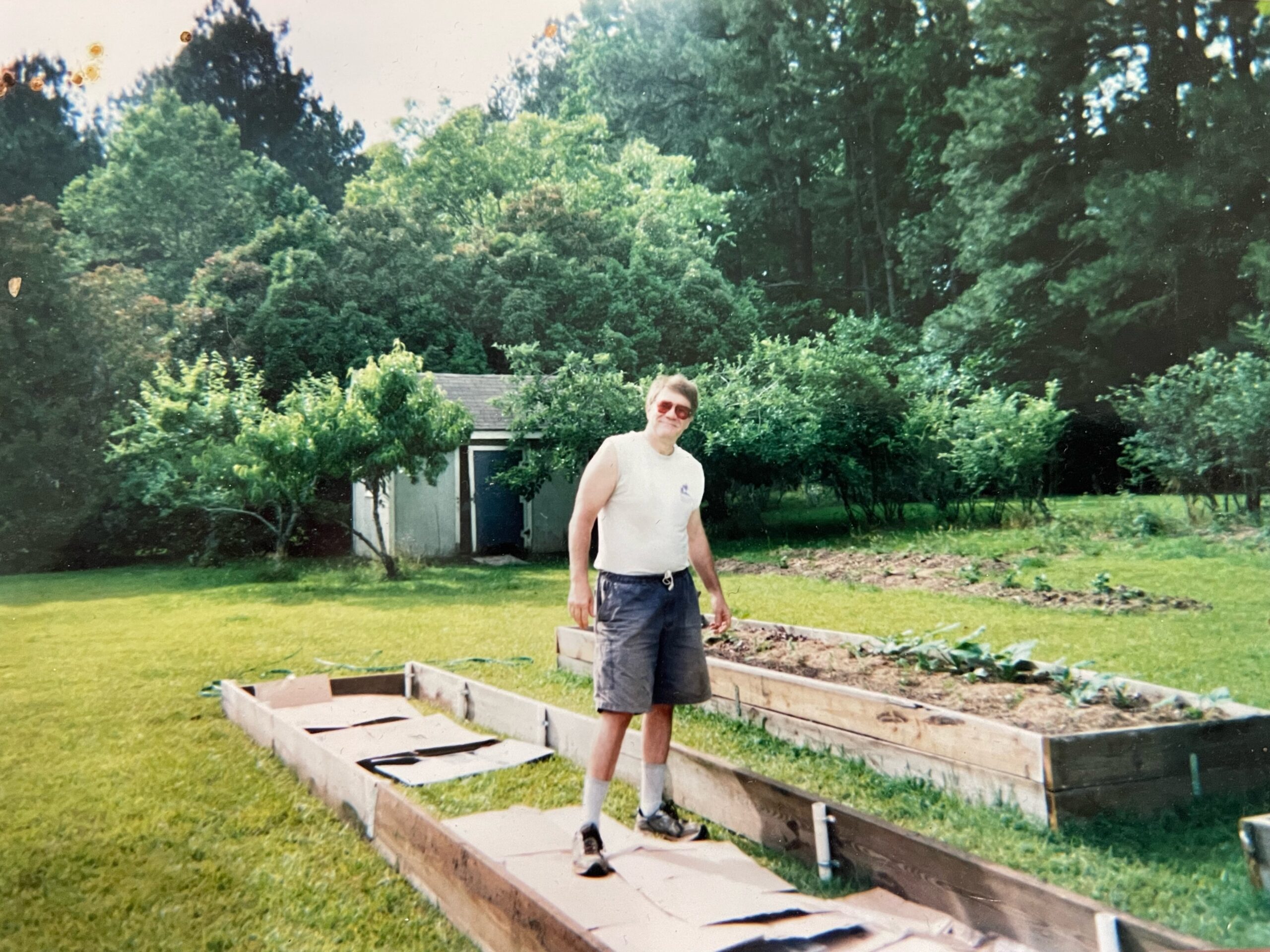
Pops making the first garden beds probably 20+ years ago!
You can see where I get my cardboard use from! Hahaha
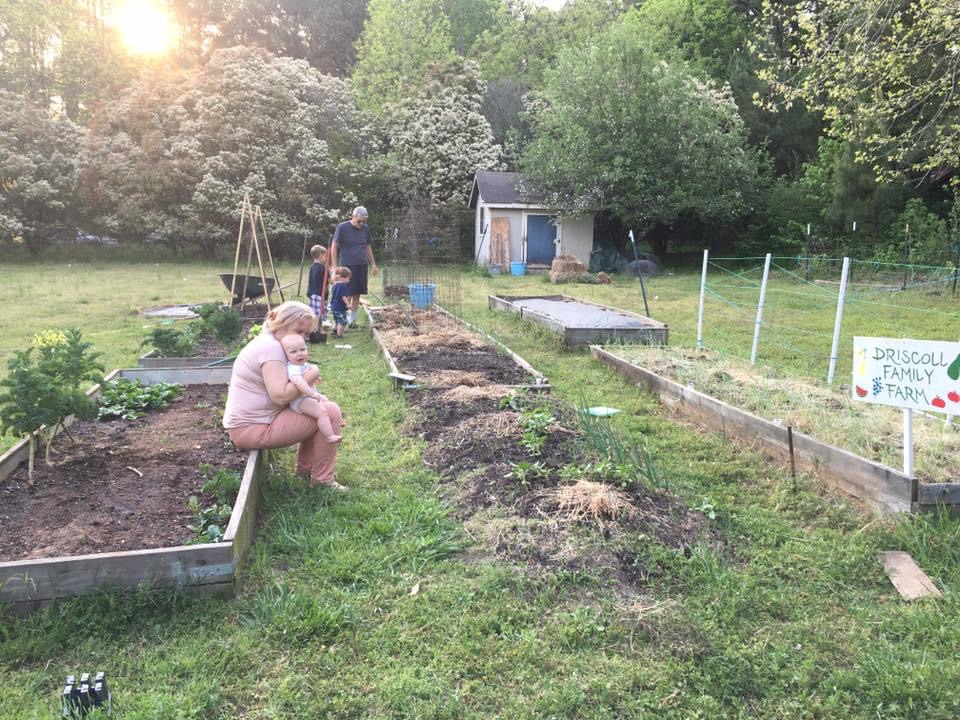
This is where the garden was at just before I moved in with my boys! My dad is showing the boys around the garden and my mom is holding baby Gabe!
*Note the in-ground bed in the front. This bed gives me the most trouble to this day haha. Now you can mound up soil if you don’t want a raised bed, like this one. That will amend the soil enough to plant in and then keep adding compost seasonally to continue amending. But I have bermuda grass in my yard, so no matter what I do, it’s a constant battle. This in-ground bed gets overrun so easy with grass. I find that it’s easier to manage pulling out of raised beds than how quickly it spreads over in-ground beds. So these are things to think about when you are deciding what to do. If you go raised bed, there are metal ones you can easily put together, ones made of cinder blocks, and wood ones (being the most popular). I have a combo of all three of these!
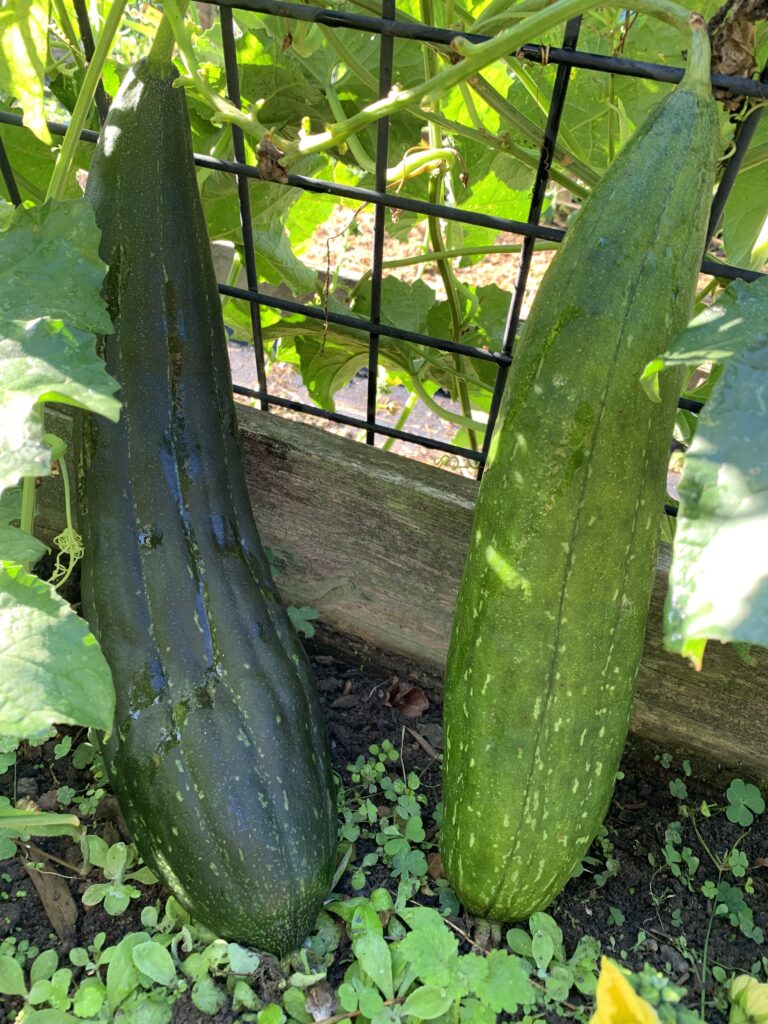
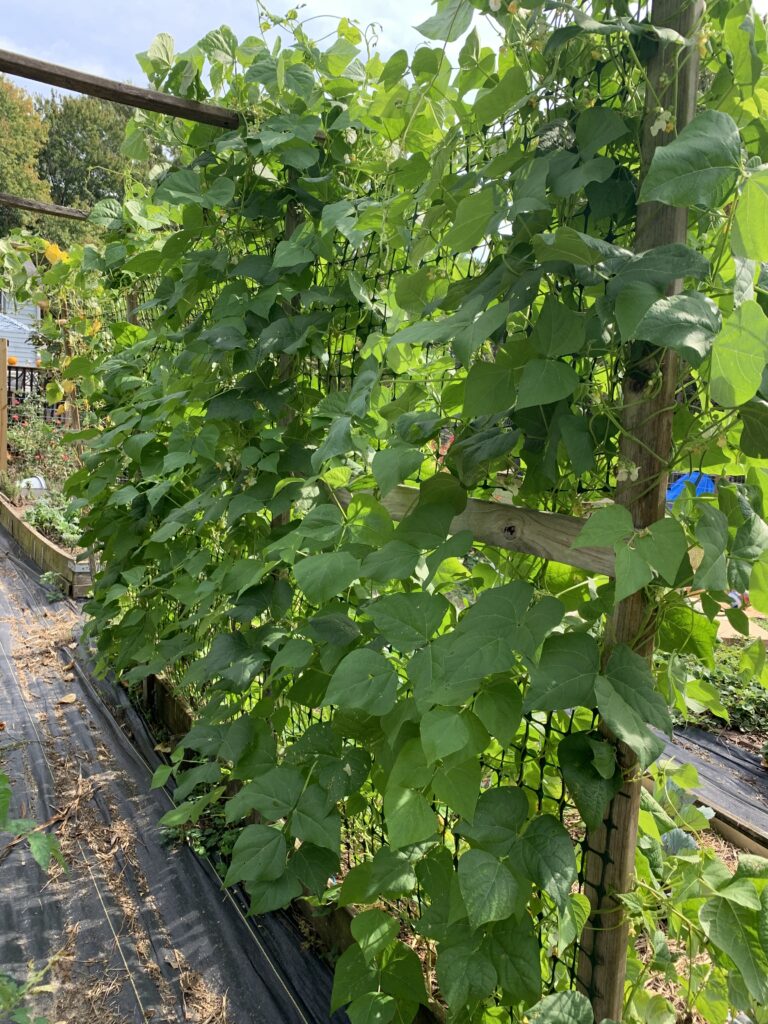
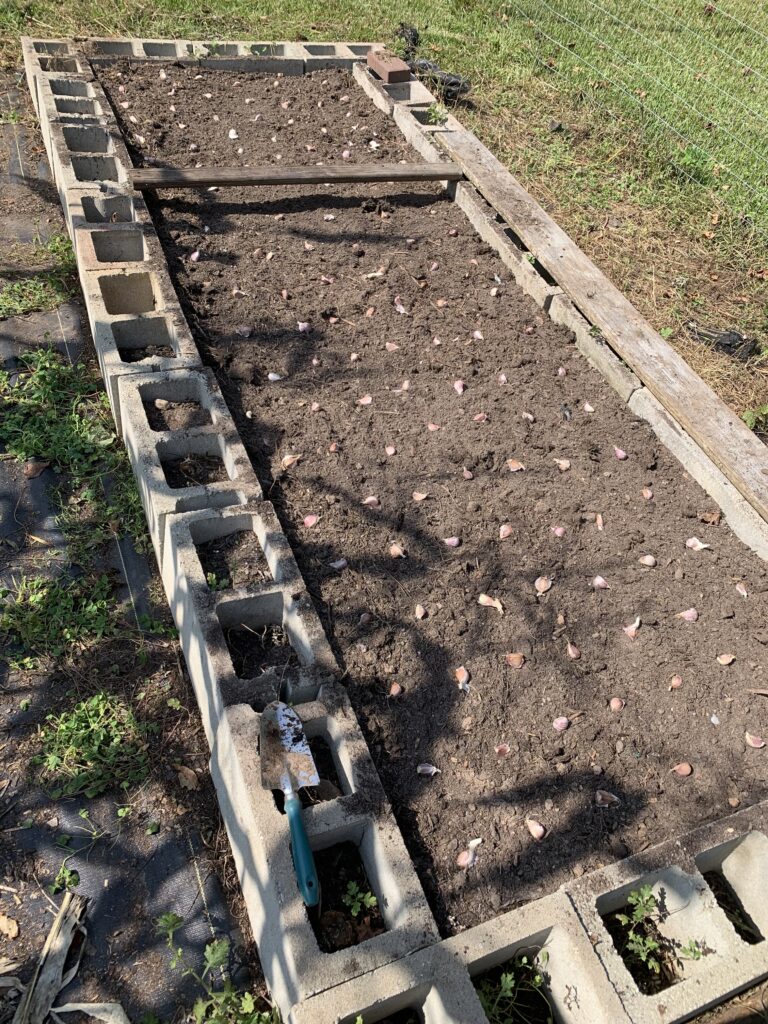
Once you decide on these three things, you can really get the ball rolling! Clean up the space, decide on your layout, and then get to it. From there you can add trellises if you want, which are amazing for vertical gardening that helps with space in the garden!
Happy Gardening!!